

Both musicians and homeowners prioritize the restraint of a piano bench’s mobility alongside the preservation of hardwood floors. Often neglected, piano bench glides act as important accessories whose function is to eliminate scratching and noise while allowing for effortless movement. The protective pads for the bench bases or non-scratch “bench feet” strike a balance between protection and mobility. These floor protectors preserve sensitive surfaces while not destabilizing the ergonomic shape of the bench. Even the most casual players and serious composers will appreciate the blend of aesthetic preservation with practical performance offered by the best solutions highlighted in this review.
To know more, Read: How to Match Your Piano Bench with Your Home Decor
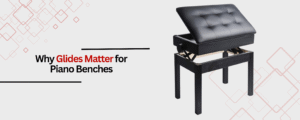
Why Glides Matter for Piano Benches
Preventing Scratches and Scuffs:
A piano bench isn’t exactly feather-light, and dragging it can leave ugly marks. Glides give the legs a soft landing and stop wood-on-wood contact. Most experts point to felt pads because their fibers hug the floor instead of digging into it.
Reducing Noise:
A bench that squeaks every time you fidget can drive you nuts mid-chorale. Felt glides act like tiny shock absorbers and let the seat slide in silence. The piano may be loud, but the floor should stay quiet.
Enhancing Ease of Movement:
Glides make it easier to reposition a piano bench, whether for cleaning, adjusting seating, or rearranging a room. This ease of movement not only protects the floor but also reduces physical effort and stress on the bench legs.
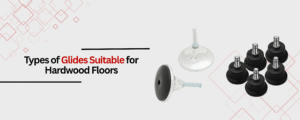
Types of Glides Suitable for Hardwood Floors
Felt Glides:
Felt glides are considered the top choice for hardwood floors. They are gentle, durable, and available in various attachment styles, including adhesive, nail-on, and tap-on options. Felt glides provide a smooth, silent glide and are effective at preventing both scratches and noise.
Nail-On and Tap-On Glides:
Nail-on and tap-on pads go one step past stick-on convenience. Once those little prongs bite into the wood underside, the glide is locked in, so even the heaviest practice sessions stay silent, and the glide stays put.
Snap-On and Sled Base Glides:
Snap-on glides are designed for rounded or tubular bench legs and provide a snug fit. Sled base glides are suitable for benches with sled-style legs, offering both stability and protection for hardwood floors.
Nylon and Plastic Glides:
Nylon bottom pads work just about anywhere. They’re tough, won’t crack when stepped on, and slip almost silently across a floor.
The downside is they don’t guard against scratches as well as fuzzy felt pads do. Hard plastic discs, or anything made of pure metal, will leave bright gouges on hardwood, so its best to leave them in the toolbox.
Key Features of Effective Piano Bench Glides
Material Composition:
The industry is crowded with products made off Rubber, Felt and Hybrid blends. The non-scratch bench feet made of rubber perform best because of their grip and durability but felt glides have less friction and noise. Hybrid blends that are offered do serve a purpose but are mostly designed for protecting the rubber and aiding in motion.
Surface Adhesion:
The floor protective mechanisms for the base of the pianos require strong adhesive properties so as to prevent movement during use. Self-stick adhesion or screw-type backing is popular. The former option is temporary, while the latter offers some level of permanence.
Basic Guidelines for Maintaining Appropriate Installation
Correct Spacing:
Even spacing of the inch and alignment with the ends of the legs of the chairs avoids undue pressure. Misplacement can affect both the interference with the floor and the stability of the bench.
Periodic Cleaning:
Dirt and dust that may settle underneath the non-scratch feet can harm the surface of the floor. Doing so with a damp piece of cloth helps in preserving glide efficiency and shine along with the floor.
Conclusion
Choosing the right bench glides for your piano involves balancing practical needs like floor protection and ease of use. While glides are a cost-effective way to prevent scratches and preserve hardwood floors, another smart option is to invest in a high-quality piano bench from a reputable brand.
Many benches from renowned brands such as 5 Core, Donner, Yamaha, and Roland come equipped with non-scratch feet and user-friendly features, offering both durability and convenience for daily use. Instead of spending separately on glides, purchasing a piano bench from established names—many of which come equipped with protective features—can provide lasting value and peace of mind. This approach ensures that both musical enjoyment and home maintenance are supported by a solid, dependable foundation, making it easier to keep music and living spaces in harmony.